The Formative
HouseMore than daycare.
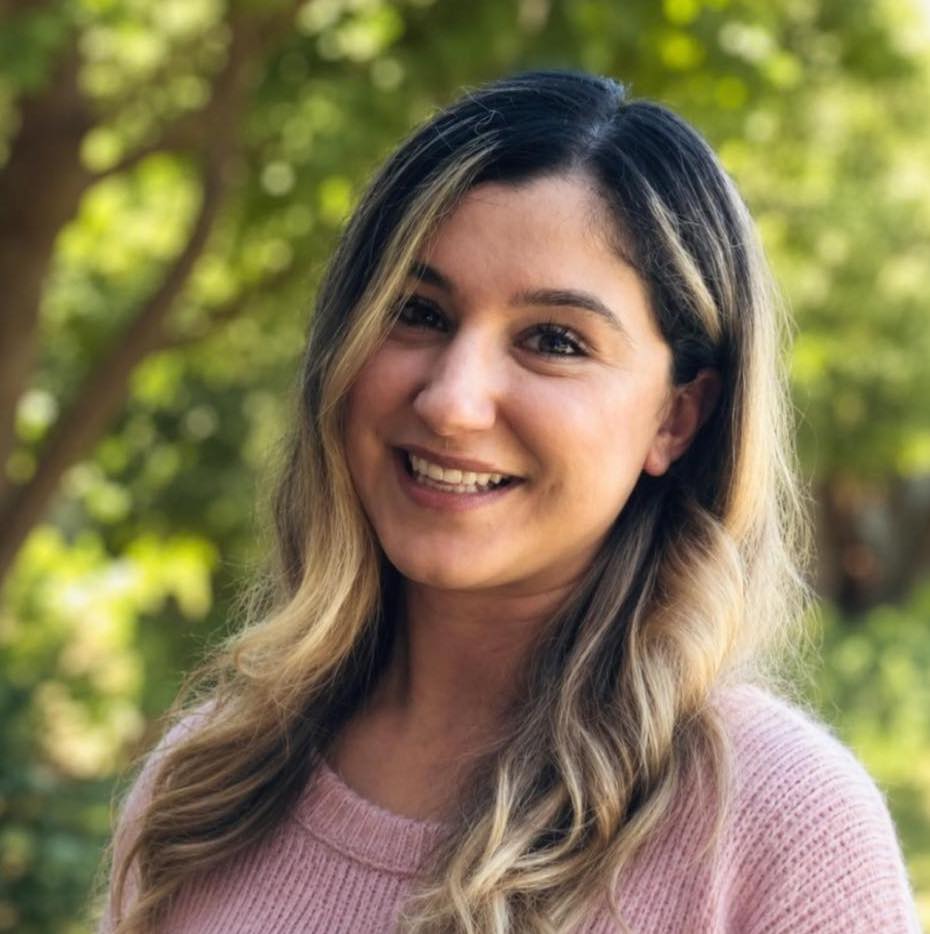
I have a Master’s in Industrial-Organizational Psychology, and before this I spent years building programs inside high stakes industries like aerospace and healthcare, places where getting it right actually mattered. The Formative House is that same care, built for children ages 1½ to 5. Now building our waitlist for Fall 2026.
“Not a daycare. A development program. The difference is everything.”
Most daycares are designed to keep kids safe and occupied until you pick them up. That’s not nothing — but it’s not enough. I wanted to build something different: a place where what we actually know about child development drives what happens every single day.
An intentional program
for an intentional family.
Nothing here is random. I designed the group size, the space, the daily routine with one thing in mind: what does this specific child actually need right now?
Grounded in Science
I have a Master’s in Industrial-Organizational Psychology, the science of how people learn and grow. Before I ever thought about building a program for children, I spent years building programs inside high stakes industries like aerospace and healthcare, places where getting it right really and truly mattered. The Formative House is that same care, just a different room.
Truly Small
I keep the group intentionally small. When the room stays that small, I actually know each one: how they communicate, what scares them, what lights them up. That kind of knowing takes time and a small group.
Built for School Readiness
Letters, numbers, and the ABCs absolutely matter — and yes, we do all of that. But the kids who truly thrive are also the ones who can ask for help, handle frustration, and make a new friend. I work on all of it, every day, from the start.

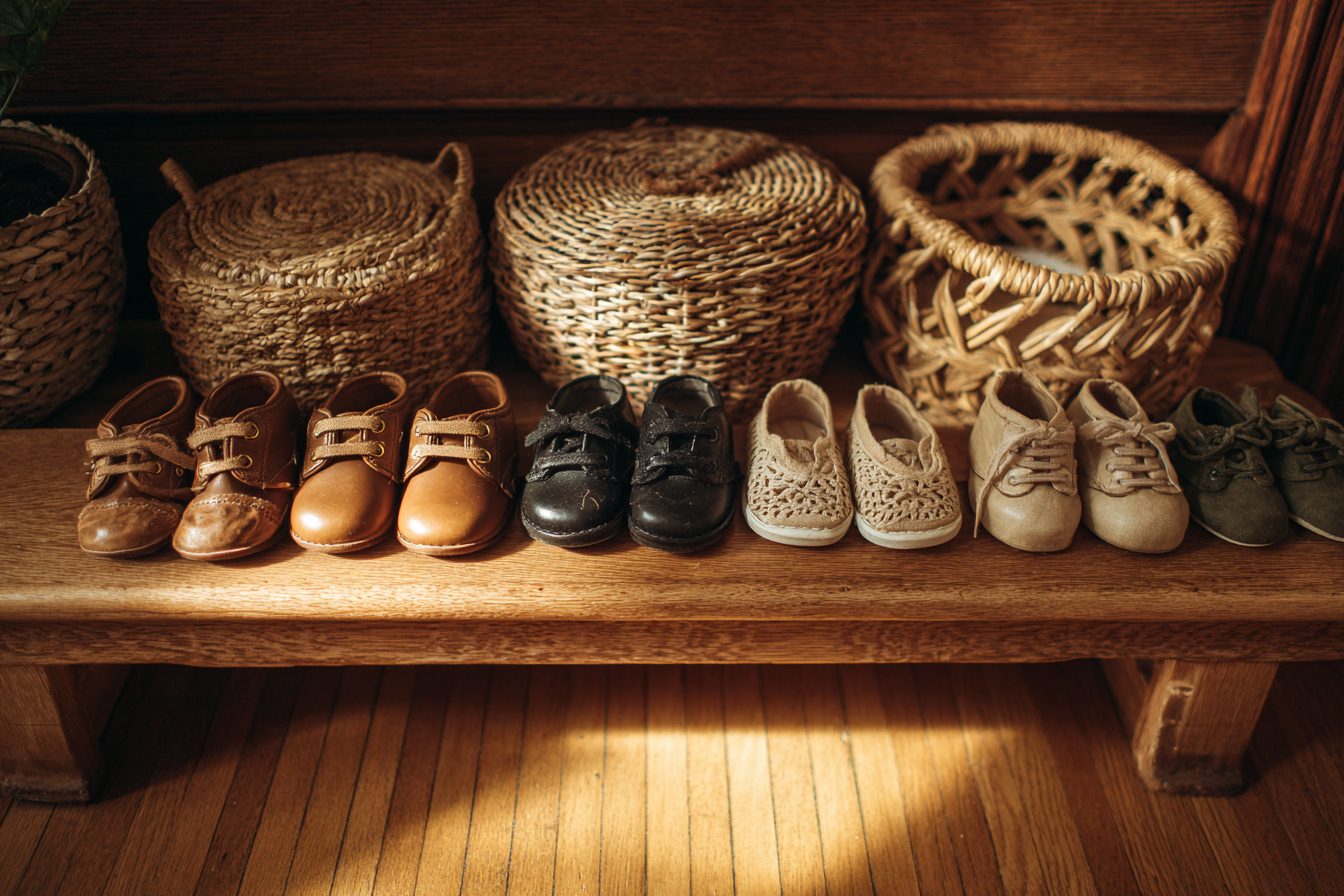
Behavioral science
meets childhood.
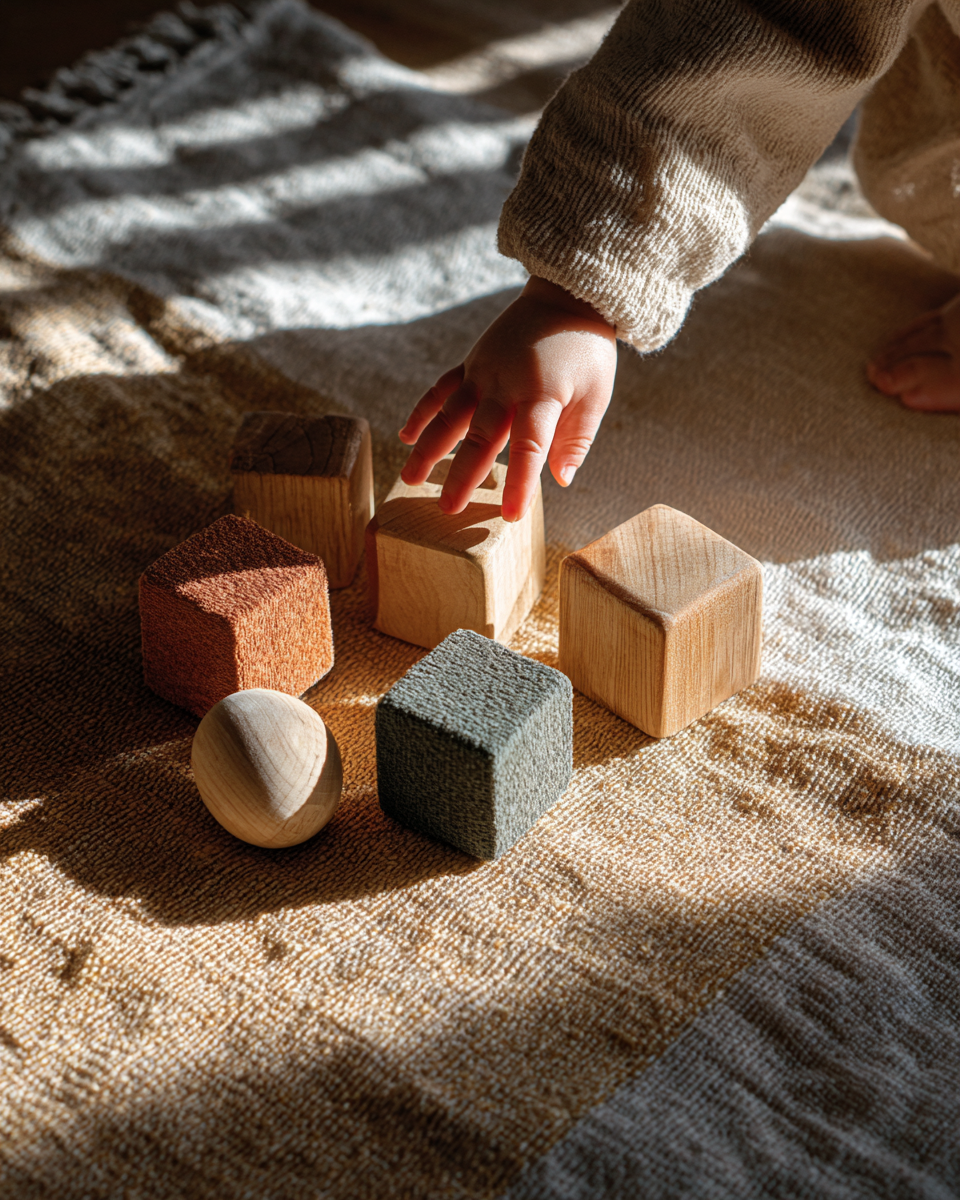
The day is built around how children actually learn — hands-on, at their own pace, with materials that invite real focus. I draw from Montessori principles and child development research, but it doesn’t feel like a curriculum. It just feels like a really good day.
What happens between one and five — the adults children trust, the spaces they feel safe in — sets a tone that follows them for a long time. That window is what this is for.
Talking, storytelling, asking questions, being asked questions. Language runs through everything here — not as a lesson, just as how the day works.
Kids figure out who they are by being trusted to do things. Small tasks, real choices, actual responsibility — the kind that builds something lasting.
Learning to name a feeling before it takes over. To wait, try again, ask for help. I work through those moments alongside each child — not around them.
Letters, numbers, colors, shapes — we cover the basics. But the kids who really hit the ground running also know how to sit with focus, handle a hard moment, and make a new friend. I build all of it.
Structure that
feels like home.
Young kids do better when they know what’s coming next. Not because they’re rigid — but because predictability is what makes them brave enough to try new things. The same rhythm, every day. That steadiness is the whole point.
Circle, songs, hands-on activities while everyone is still fresh. The beginning of the day is when kids are most ready to learn, so that’s when we lean in.
Outside every single day, no exceptions. Kids need to move, get dirty, and just be outside. It’s not a break from the program — it is the program.
Everyone sits together and eats. Kids serve themselves, have real conversations, practice the kind of table manners that actually matter — like listening while someone else is talking.
Younger kids sleep. Older kids get open-ended time — blocks, art, whatever they choose. The afternoon slows down, and that’s intentional.
Everything that matters,
included.
One price, everything included. No hidden fees, no extra charges for materials or meals. You shouldn’t have to wonder what’s covered.
Once a month I sit down with you — just us — to talk through how your child is doing, what I’m noticing, and what’s coming next developmentally. Not a quick chat at pickup. A real conversation.
Check in any time during the day and see what your child is doing right now. Not surveillance — just peace of mind, and it’s included.
At the end of every day you’ll hear from me — what your kid ate, how they slept, what made them laugh, anything worth knowing.
Every week I send a brief update on what your child has been working on, how they’re doing, and what I’m noticing. No jargon — just a real note from someone who knows your kid.
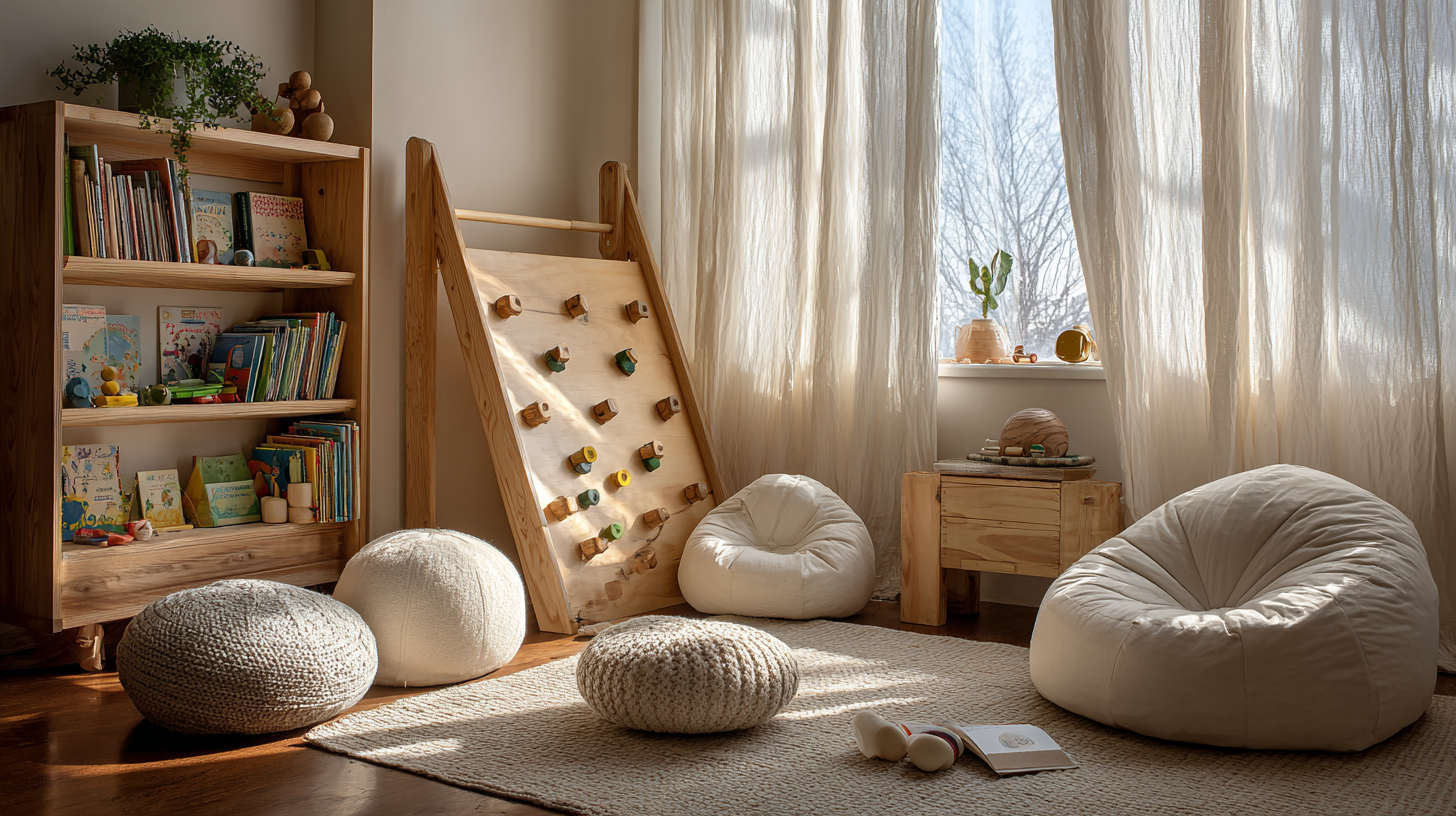
Everything in the space is there for a reason. Wood, natural materials, a room that’s calm and interesting. Kids focus better when their environment isn’t loud.
Same person, every day — me. I know how your child naps, what upsets them, what they’re working on. That continuity matters more than most people realize.
Play is often talked about as if it were a relief from serious learning. But for children, play is serious learning. Play is really the work of childhood.
Early Childhood Behavior & Development
CPR & First Aid · Mandated Reporter
@theformativehouse
“I started The Formative House because I wanted to build what I couldn’t find… and what I knew children deserved.”
I spent years watching kids in environments that just weren’t built for them. Too many children, too much noise, adults going through the motions. I kept thinking — I know how this works. I know what actually helps. So eventually I stopped waiting for someone else to build it.
This is my home. It feels like one. Every kid here is known — not just their name, but who they actually are. What makes them tick, what they’re scared of, what they’re proud of. With six children, that kind of knowing is possible. That’s why the number doesn’t change.
Trusted by the people
who know her best.
I had the privilege of teaching Justine during her M.S. in Industrial-Organizational Psychology, and later worked alongside her professionally as a trainer inside two of her organizations. In both contexts she stood out for the same reasons: rigorous thinking, genuine care for the people she’s responsible for, and an unusual talent for translating evidence into systems that actually work. She pairs technical fluency in research and measurement with real warmth — a combination that’s served her well across leadership roles and now in launching The Formative House. I recommend her without reservation.
Justine doesn’t perform warmth — she just has it. I’ve watched her with kids for years and she has a way of making each one feel like the most important person in the room. The Formative House is exactly what you’d expect from her: rigorous where it matters, warm everywhere else, and built because she genuinely cared — not because it was a good business idea. I trust her completely.
I’ve seen Justine with kids her whole life, and she has this way of just... slowing down for them. She gets on their level, takes them seriously, doesn’t rush. Children feel it immediately — they relax around her. The Formative House isn’t something she built because it seemed like a good idea. It’s who she already was, turned into something real. I’d send my own kids there without a second thought.
Building our
waitlist.
There are only six spots. When they’re full, they’re full. If you’re wondering whether this is the right fit for your family, joining the waitlist is how that conversation starts — I’ll reach out personally.
Reserve your spot.
Tell me a little about your family — I’ll reach out personally within 48 hours. No commitment required.
You’re on the list.
I’ll be in touch within 48 hours.
Thank you for trusting me with your family.